
If your entire search strategy revolves around climbing Google's rankings, you are optimizing for a shrinking slice of the search market. Traditional SEO is still important — but it is no longer sufficient. AI-powered search engines now process hundreds of millions of queries daily that never reach a traditional SERP. Zero-click searches keep rising. And Google's own AI Overviews are lowering click-through rates, even when you rank #1. GEO is not the future of search optimization. It is the necessary present.
The data does not lie: search is fragmenting
- ChatGPT processes more than 400 million searches per week as of early 2026 [OpenAI, 2026]
- Perplexity AI has grown to 50+ million monthly active users, with query volume growing 30% per quarter [Perplexity, 2026]
- Google's AI Overviews now appear on more than 1 billion searches per month [Google, 2026]
- According to SparkToro research, approximately 58.5% of all Google searches in the US and EU end without a click [SparkToro, 2025]
These are no longer niche tools. ChatGPT alone has more weekly active users than the population of the United States. That is not a trend — it is a behavioral shift.
Why rankings no longer equal visibility
- Ranking #1 below an AI Overview earns you fewer clicks than ranking #3 two years ago
- Ranking #1 for a query answered by a featured snippet often yields single-digit CTR
- Ranking #1 on Google means nothing if the user asked ChatGPT instead of Google
- A page ranking on page 3 can outperform you in AI citations if its content is clearer and better structured
The three cracks in the SEO-only foundation
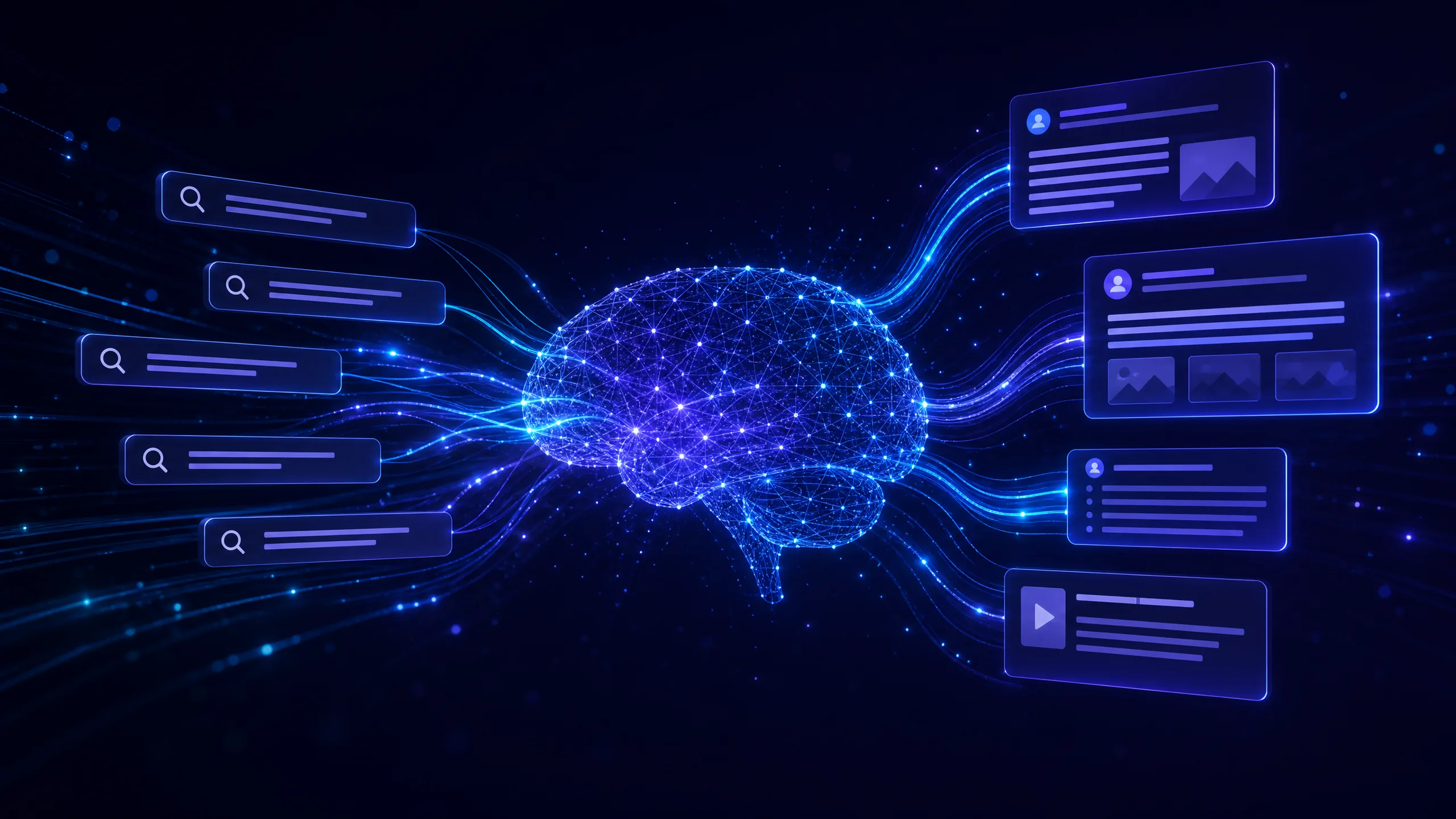
Crack #1: SEO optimizes for pages, not answers. AI search works differently. When a user asks Perplexity: "What is the best email marketing tool for a nonprofit?" the AI does not rank pages. It synthesizes an answer. The page ranking #8 on Google but with a crystal-clear answer can outperform the #1 result in AI citations.
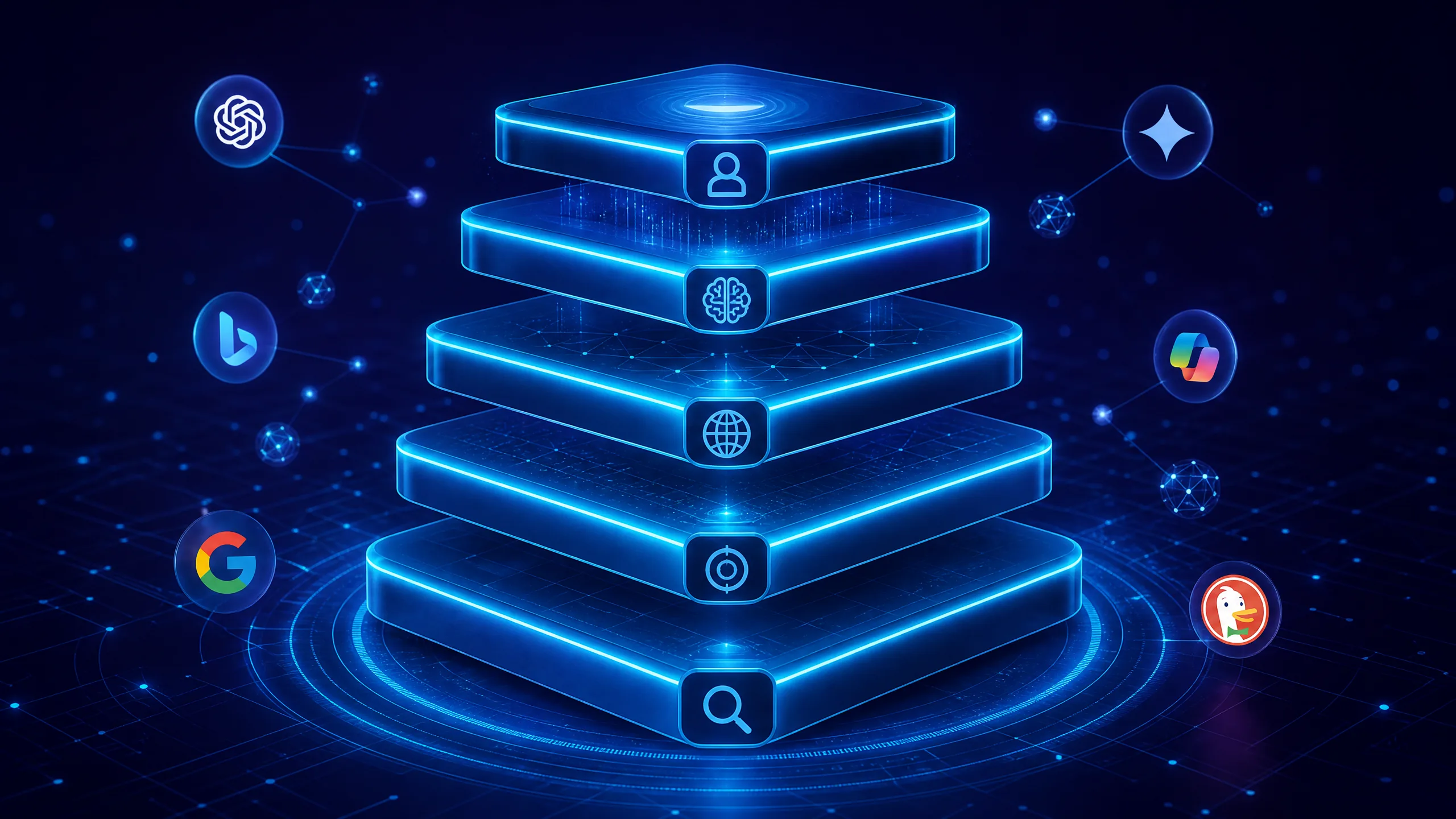
Crack #2: SEO ignores the post-SERP ecosystem. ChatGPT and Claude for research and recommendations, Perplexity for fact-finding, voice assistants, Slack and Discord AI bots, built-in AI in apps — SEO has no mechanism to optimize for these channels.
Crack #3: SEO's success metrics do not capture AI visibility. Organic traffic, keyword rankings, domain authority, click-through rate — does your SEO dashboard tell you how often ChatGPT cites your brand? The metrics we have optimized for years do not measure the visibility that matters most in 2026.
What GEO adds that SEO cannot
1. Optimization for synthesis algorithms. AI models do not rank pages — they synthesize answers. GEO optimizes for this by giving direct answers in the first 1-2 sentences, using clear structure that AI can parse, and including specific data points.
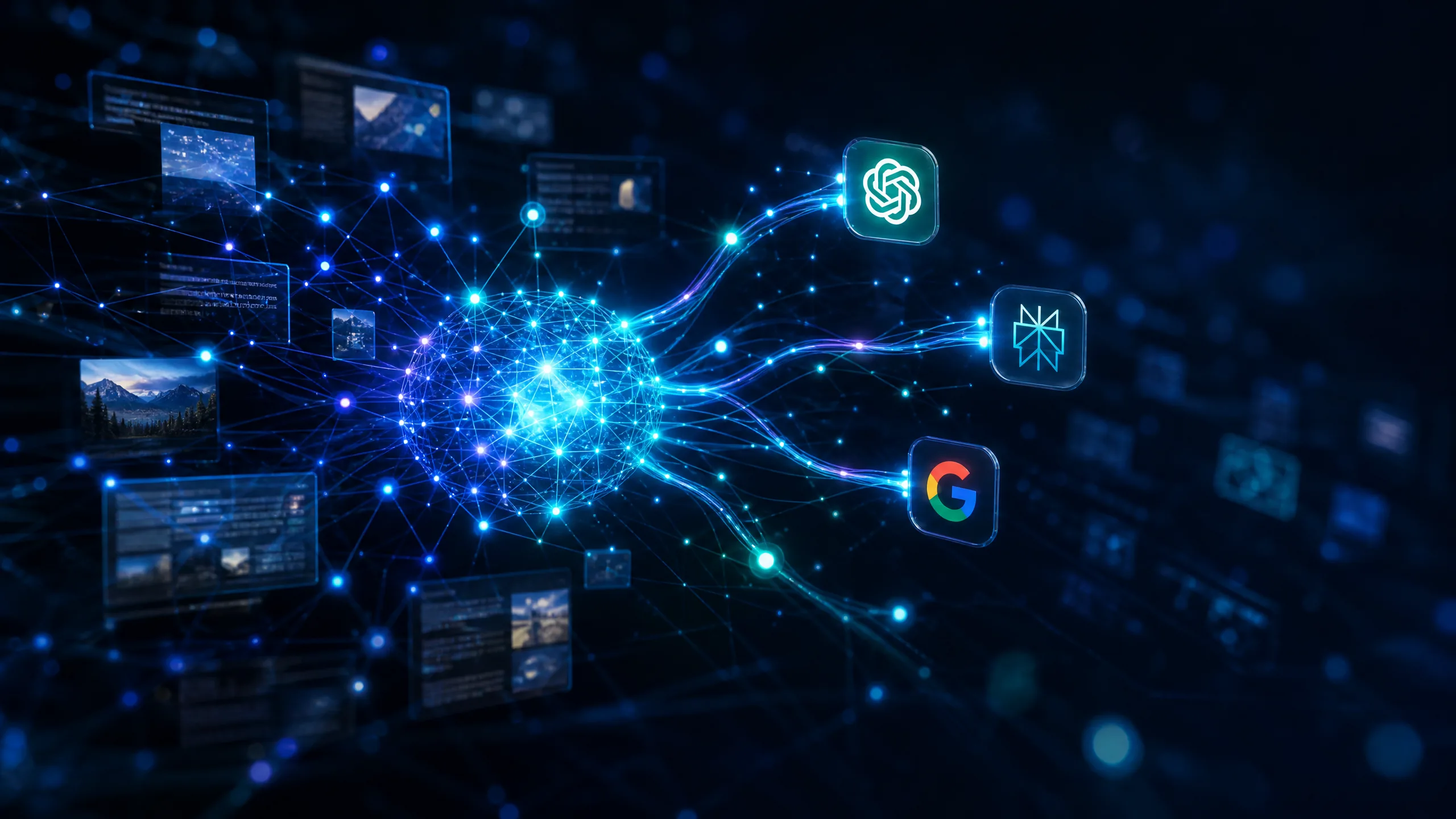
2. Visibility in AI-native platforms. ChatGPT citations, Perplexity sources, Gemini responses, voice assistant answers — businesses implementing GEO are already seeing referral traffic from these platforms.
3. Future-proofing against platform shifts. GEO provides a platform-agnostic optimization framework. Clear answers, structured content, topical authority and E-E-A-T signals will matter regardless of which AI model is dominant in 2028.
4. Competitive advantage while competition is low. Less than 5% of websites have implemented any GEO optimization [estimate based on industry adoption data, 2026]. The window is closing.
How to add GEO without abandoning SEO
Month 1: Identify your top 20 pages, rewrite the first paragraph of each to directly answer the target question, add FAQ schema.
Month 2: Implement HowTo schema on tutorial content, restructure H2s and H3s as questions, add summary tables.
Month 3: Build topical content clusters, start monitoring AI citations, track referral traffic from AI platforms.
Month 4+: Analyze which content AI cites and why, double down on what works. For a practical playbook on this, read Getting cited more often by AI search engines: what actually works.
Tools like Findori can accelerate this process by handling the technical GEO implementation — schema generation, content structuring and AI citation monitoring — while you focus on strategy and content quality.
Key takeaways
- The search market is fragmented. Traditional search, AI search and voice search now exist as separate ecosystems.
- SEO alone is no longer sufficient. It optimizes for one ecosystem while ignoring the fastest-growing one.
- Zero-click searches and AI Overviews lower CTR even for top-ranked pages.
- GEO adds four critical capabilities: synthesis algorithm optimization, visibility in AI-native platforms, future-proofing and competitive advantage.
- GEO builds on SEO; it does not replace it. The strongest approach is SEO foundations plus GEO optimization for AI channels.